You may have heard about an outbreak of Meningitis in the county, and we can understand that you may be worried about this. In response to this, we want to ensure that you are aware of what symptoms to look out for and understand what you need to do if you or your young person develops symptoms.
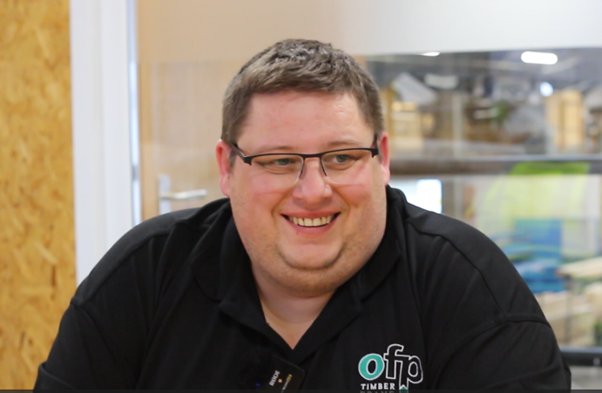
At EKC Broadstairs College, we’re proud to work with employers who see the value in developing local talent and helping our young people gain real industry experience. One of those employers is Richard Pankhurst, Head of Human Resources at OFP Timberframe.
In today’s blog, Richard shares why OFP Timberframe chose to take on T Level placement students and the benefits they’ve seen across their business.
How did you first learn about the T Level qualification?
When we were first introduced to T Levels, it was through conversations with the Carpentry team at EKC Broadstairs College. From there, I learned more about how T Levels are designed with input from industry and built to give young people both the theory and the practical experience they need. That really appealed to us as a business.
We took some time to understand what a T Level actually involves, what the placement hours look like, and how we could support students while still keeping things practical for our teams. Once we saw how flexible the college was and how well the programme aligned with real workplace needs, we were keen to get involved.
The first thing we did was look at which parts of our business could genuinely accommodate a T Level student. Not every area is suitable, and we didn’t want to place someone somewhere they wouldn’t learn anything useful.
We spoke to each department, looked at their workloads and processes, and asked whether a student could fit in. Not to replace staff, but to support them and learn at the same time. Once we identified the right areas, everything fell into place.
What benefits have you seen from taking on T Level students?
For us, the benefits are definitely two-fold.
Firstly, they bring new ideas to the table. We’ve been running for over 20 years now, and like any long-standing business, you get used to doing things a certain way. When students come in with fresh knowledge, new technology, and different ways of thinking, it really shakes things up in a positive way. They make us look again at processes we might not question otherwise.
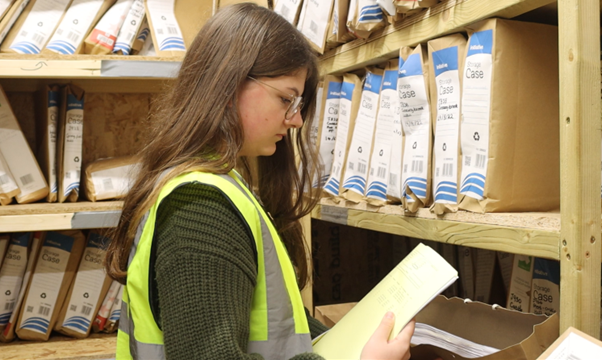
We’ve also realised that placements are a brilliant way to find new people who genuinely want to work in our industry. Because students are with us over a long period, we get to really see how they work, how they fit into the team, and what potential they have. It’s a low-risk way to bring new blood into a specialist field where recruitment can be challenging.
We’ve already taken on previous work placement students on a full-time basis, including Molly who is now busing completing a Level 3 HR Apprenticeship with us.
How do you structure the placements you offer?
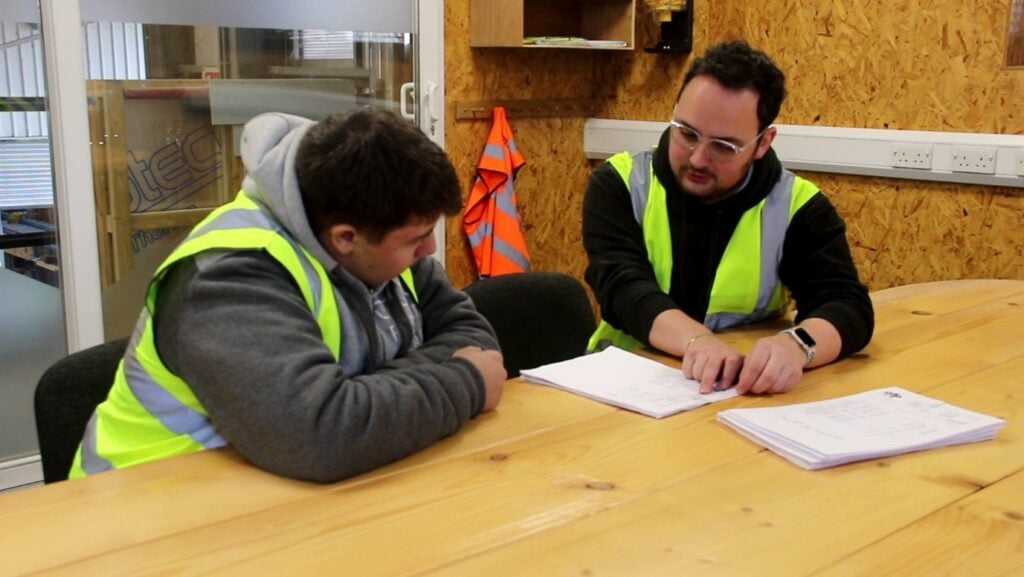
T Level students complete 315 hours, so we tend to spread this across one day per week for multiple months. The structure works well because students are consistently involved without being overwhelmed, and our teams can plan around their schedule.
We treat students as part of the workforce, while still giving them the support they need. Line managers handle the day-to-day guidance, just as they would with any member of staff, because that reflects what real working life is like.
The college stays in touch throughout, which helps us keep everything on track and ensures students are meeting their placement requirements.
What advice would you give other employers?
If you’re unsure about taking on a T Level placement student, my honest advice is, give it a go! Start with one student and see how the process works. As long as you have meaningful tasks ready for them, you’ll be surprised at how much value they add.
This isn’t traditional work experience where a student shadows someone for a week. These learners come in ready to contribute, ready to learn, and ready to bring something new into your business.
For us, it’s become part of how we future-proof the company. I think any employer who tries it will see the same.
Want to see the same benefits Richard has seen?
T Level placements are a great way to bring new skills, fresh thinking and future talent into your organisation.
Take a look at our T Levels page, or get in touch if you’d like to chat about hosting a student.
More articles
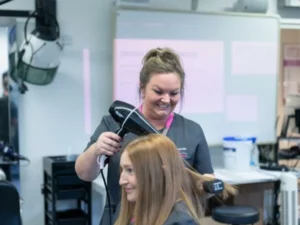
Five Reasons to Upskill with EKC Broadstairs College
16 March 2026
From Hair to Motor Vehicle courses, we deliver practical, industry-focused training that makes a real difference in the workplace.
Read more
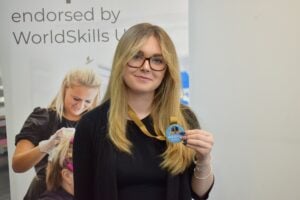
EKC Broadstairs College students celebrate success in KFE4Skills Competition 2026
9 March 2026
EKC Broadstairs College students competed in KFE4SKILLS and showcased their skills in a range of different industries.
Read more
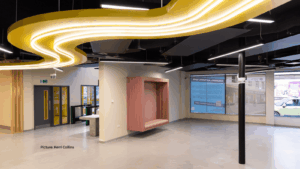
What to expect at the EKC Broadstairs College Margate Digital Campus Open Event
9 March 2026
Discover why you should register for our next Margate Digital Campus Open Event.
Read more